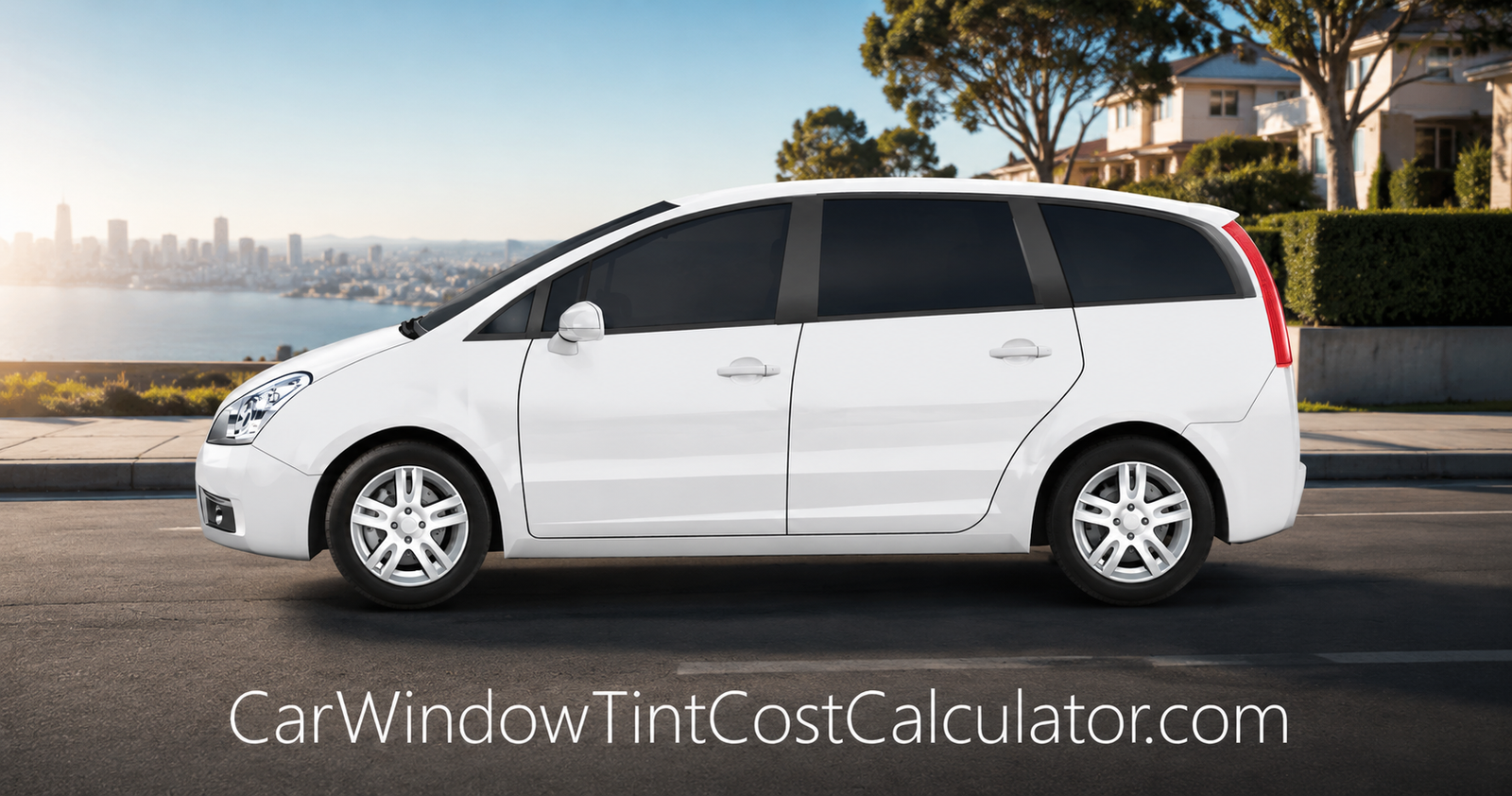
Dyed Film Cost for SUV in Suburban (USA)
If you are searching for an affordable way to improve your SUV’s appearance and privacy, dyed window tint is often the first option that comes to mind. For a standard SUV in a suburban area of the United States, the dyed film cost for SUV in Suburban (USA) comes to a very reasonable $268.25 USD. This price point makes it one of the most budget-friendly choices for drivers who want to block glare and add a sleek, dark look to their vehicle without spending a fortune. On June 07, 2026, this estimate reflects a complete installation covering the front side, rear side, and rear window at a 35% VLT darkness level. Understanding what you get for that window tint cost helps you decide if dyed film is the right match for your daily driver.Why Dyed Film for a SUV?
Dyed film has been a staple in the automotive tinting world for decades, and it remains popular because it delivers exactly what most SUV owners need: a darker, more refined appearance at a low price. The film uses multiple layers of dye to absorb solar heat and block visible light, which gives your SUV that uniform, shaded look. For a family SUV used for school runs, grocery trips, and weekend errands in the suburbs, dyed film offers a significant upgrade in comfort. It reduces the harsh glare from the sun, making it easier to see the road and keeping your passengers more comfortable during bright afternoons. The suv tint cost with dyed film is also lower than premium options, which means you can tint your vehicle without stretching your budget. While it does not offer the same heat rejection as ceramic or crystalline films, it provides a solid balance of cost and functionality for suburban driving where extreme heat is less of a daily concern.Real Cost Breakdown — What Goes Into $268.25
Every dollar of your $268.25 USD total covers specific materials and skilled labor. The film cost is $119.00 USD, which pays for the dyed film roll itself, cut precisely to fit your SUV’s front side, rear side, and rear window. The labor cost is $129.38 USD, reflecting the time and expertise required to install the film without bubbles, creases, or peeling edges. Professional installers in suburban areas typically charge a flat rate per window or per vehicle, and this labor figure is consistent with market rates for a three-window SUV job. Together, these two components form the total window tint cost that you can expect to pay at a reputable shop. To help you compare dyed film against other popular tint types, here is a straightforward breakdown of estimated costs and performance for a standard SUV:| Film Type | Est. Cost | Heat Rejection | Lifespan |
|---|---|---|---|
| Dyed Film | $268.25 | Low to Moderate | 3–5 years |
| Carbon Film | $350 – $450 | Moderate | 5–7 years |
| Ceramic Film | $450 – $600 | High | 7–10 years |
| Crystalline Film | $600 – $800 | Very High | 10+ years |
USA Tint Laws You Must Know
Before you schedule your installation, it is critical to understand the legal limits for window tint darkness in the United States. Most US states require a minimum of 70% VLT on front side windows. VLT stands for Visible Light Transmission, which measures how much light passes through the film. A 35% VLT, like the one in this estimate, allows 35% of visible light to enter, which is darker than the legal limit for front side windows in many states. However, rear side windows and the rear window typically have more lenient regulations, and some states allow any darkness on those panels. Always check your state’s specific regulations before committing to a tint level. You can verify your local laws by visiting the International Window Film Association’s official resource on tint regulations. Ignoring these rules can result in fines and the requirement to remove the film, which adds unnecessary expense to your window tint cost.What Front Side, Rear Side, Rear Window Tinting Gets You
Tinting your SUV’s front side, rear side, and rear window with dyed film at 35% VLT provides a cohesive and functional upgrade. The front side windows benefit from reduced glare, which makes driving safer during sunrise and sunset hours. The rear side windows, often where passengers sit, gain privacy and UV protection, keeping children and pets cooler on sunny days. The rear window tinting helps reduce headlight glare from vehicles behind you at night while also adding a uniform appearance to the back of your SUV. Because you are covering three windows, the suv tint cost remains efficient compared to tinting every single window individually. This combination is the most popular choice among suburban SUV owners because it balances aesthetics, privacy, and cost without overcomplicating the installation.Pro Tips Before You Book
Getting the most out of your dyed film installation requires a little preparation. First, choose a shop with a clean, dust-free workspace and experienced installers. Poor installation leads to bubbling and peeling, which shortens the lifespan of your film. Second, ask about the warranty. Many reputable shops offer a 3- to 5-year warranty on dyed film, covering defects like fading or discoloration. Third, avoid rolling down your windows for at least 48 to 72 hours after installation to allow the adhesive to cure fully. Fourth, consider the climate in your suburban area. If you live in a region with intense summer heat, dyed film may fade faster than in milder climates. Finally, compare the window tint cost from multiple shops, but remember that the lowest price does not always guarantee the best quality. A slightly higher labor cost often reflects better attention to detail and longer-lasting results.Frequently Asked Questions
How long does dyed film last on an SUV?
Dyed film typically lasts between 3 and 5 years, depending on sun exposure and maintenance. In suburban areas with moderate sunlight, you can expect the film to stay looking good for the full 5-year range. Parking in the shade and using a gentle cleaner helps extend its lifespan.
Can I wash my SUV right after tinting?
No, you should wait at least 48 to 72 hours before washing your SUV. The adhesive needs time to cure, and water pressure from a hose or car wash can cause the film to peel at the edges. Hand washing with a soft cloth and mild soap is best after the curing period.
Will 35% VLT dyed film make my SUV too dark at night?
35% VLT is a moderate darkness that still allows a good amount of light through. Most drivers find it comfortable for night driving, though you may notice slightly reduced visibility in unlit areas. The rear window tint can make backing up a bit darker, but your side mirrors will still provide clear views.
Is dyed film the same as factory tint?
No, factory tint is usually embedded in the glass itself and does not provide the same heat rejection or UV protection as aftermarket dyed film. Dyed film is an adhesive layer applied to the interior surface, offering additional glare reduction and privacy. Factory glass typically has a VLT of around 70-80%, so adding 35% dyed film darkens the overall appearance significantly.
Does dyed film reduce heat inside my SUV?
Yes, dyed film does reduce heat, but only to a moderate degree. It absorbs solar energy rather than reflecting it, so the glass itself may feel warm to the touch. For suburban driving, this level of heat reduction is often sufficient, but if you live in a hotter climate, you might prefer carbon or ceramic film for better thermal performance.
Related Tint Cost Guides
- Ceramic Film Tint Cost for Sedan in Suburban — $441 USD
- Ceramic Film Tint Cost for Large SUV in Suburban — $389 USD
- Ceramic Film Tint Cost for Large SUV in Suburban — $389 USD
Calculate Your Exact Tint Cost
Get a personalized estimate for your vehicle, film type, and location — free, instant, no signup.
→ Use Free Calculator ✈️ Telegram Guide