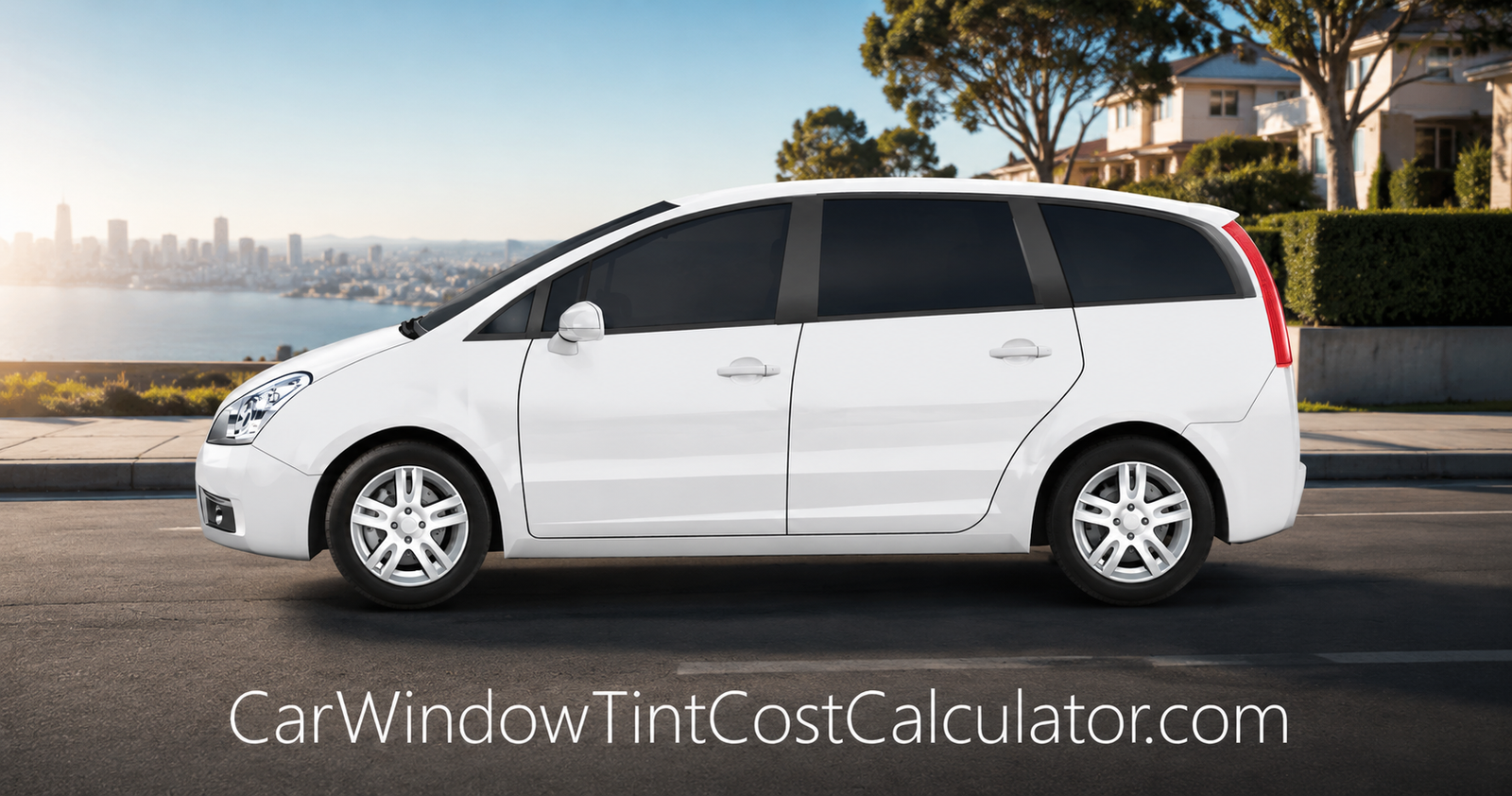
Hybrid Film Cost for SUV in Suburban (USA)
If you drive an SUV in Suburban, USA, and you are researching window tint cost, you have likely discovered that not all films are created equal. For a specific configuration involving a Hybrid Film at 35% VLT covering the Front Side, Rear Side, and Rear Window, the estimated total cost comes to $348.57 USD. This figure is not a guess; it is a precise calculation based on real market data for your vehicle and location. This price point represents a sweet spot where performance and budget meet, making it a very popular choice among SUV owners looking to upgrade their ride without spending a fortune. Understanding the suv tint cost for this specific film type helps you budget accurately and avoid overpaying at the shop.Why Hybrid Film for a SUV?
Hybrid film, sometimes referred to as a dyed-metalized film, is engineered to deliver the best of both worlds. For an SUV, which often has large windows and a spacious cabin, managing heat and glare is a top priority. This film combines a layer of dye for deep, consistent color with tiny metal particles for enhanced heat rejection. The result is a tint that looks great, performs well, and does not interfere with your phone or GPS signal, a common complaint with older metalized films. For your SUV, the hybrid film at 35% VLT provides a balanced appearance. It offers significant privacy and glare reduction while still allowing enough light inside for safe driving, especially at night. Compared to basic dyed film, which can fade and turn purple over time, hybrid film offers superior durability. It also costs less than high-end ceramic or crystalline options, making it a practical investment for a family vehicle or daily driver. The window tint cost for this upgrade is justified by the long-term performance and the immediate comfort improvement it provides.Real Cost Breakdown — What Goes Into $348.57
Understanding the suv tint cost involves looking at the two main components: materials and labor. For your specific job on June 11, 2026, the numbers break down as follows. The Film Cost is $193.38 USD, which covers the high-quality hybrid material for your three windows. The Labor Cost is $129.38 USD, reflecting the skill and time required to install the film perfectly on an SUV, which has larger and more curved glass than a standard sedan. The remaining balance accounts for minor supplies and shop overhead. To put this in perspective, here is a comparison of different film types for the same SUV, same three windows, and similar location. This table shows how the window tint cost varies by technology.| Film Type | Est. Cost | Heat Rejection | Lifespan |
|---|---|---|---|
| Dyed Film | $150 - $220 | Low (approx. 25-35%) | 3-5 years |
| Carbon Film | $250 - $350 | Medium (approx. 40-50%) | 6-8 years |
| Hybrid Film | $348.57 | Medium-High (approx. 45-55%) | 6-8 years |
| Ceramic Film | $450 - $700 | High (approx. 60-70%) | 10+ years |
| Crystalline Film | $600 - $900+ | Very High (approx. 70-80%) | 10+ years |
USA Tint Laws You Must Know
Before you commit to any tinting project, understanding the legal landscape is critical. In the United States, window tint laws vary by state, but there are common threads. Most US states require a minimum of 70% VLT on front side windows. This means that if you install a 35% VLT film on your front side windows, you may be in violation of the law in many jurisdictions. It is imperative to check your state's specific regulations before proceeding. Your configuration of 35% VLT is typically legal for rear side windows and the rear window in most states, but the front side windows are where you need to be cautious. A reputable installer will always ask about your vehicle and location to ensure compliance. For the most authoritative and up-to-date information, you should consult the tint regulations provided by the International Window Film Association. They maintain a comprehensive database of laws. Ignoring these rules can result in fines and having to remove the film, which defeats the purpose of your window tint cost investment.What Front Side, Rear Side, Rear Window Tinting Gets You
Choosing to tint the Front Side, Rear Side, and Rear Window is a strategic decision for an SUV. This combination covers the entire passenger cabin, creating a uniform look and maximizing the benefits. Here is what you gain with this specific package for your SUV. First, heat rejection is dramatically improved. An SUV cabin acts like a greenhouse, and the large rear window is a major source of solar gain. By covering the rear and both side windows, you significantly reduce the interior temperature, making your air conditioning system work less hard. Second, glare reduction from headlights and the sun is enhanced, particularly for rear passengers and the driver when checking blind spots. Third, privacy is a major benefit. With the rear side windows and rear window tinted, items in your cargo area are less visible to passersby. Finally, UV protection is a standard feature of quality hybrid film, blocking up to 99% of harmful rays, which protects your SUV's interior from fading and cracking. This specific configuration is one of the most popular choices for SUV owners because it balances cost and coverage perfectly.Pro Tips Before You Book
To ensure you get the most out of your suv tint cost, consider these professional tips before scheduling your installation. First, verify the installer's warranty. A good hybrid film should come with a manufacturer's warranty against peeling, bubbling, and fading. Ask to see the warranty card before work begins. Second, check for the "hybrid" label. Some shops may try to sell you a basic dyed film and call it hybrid. Ask for the specific brand and product name. Third, inspect the glass beforehand. Any chips or cracks in your SUV's windows should be repaired first, as the heat from the installation process can worsen them. Fourth, plan for curing time. After installation, the film needs a few days to dry and adhere completely. You may see small water bubbles; these are normal and will disappear as the film cures. Avoid rolling down the tinted windows for at least 3-5 days. Fifth, get a written quote that matches the window tint cost you were quoted. Ensure it includes the specific windows, film type, and labor. This protects you from surprise charges. Finally, ask about the shop's experience with SUVs. The large rear window on an SUV can be tricky to install without seams, and a skilled technician is worth the labor cost you are paying.Frequently Asked Questions
Is $348.57 a fair price for hybrid tint on an SUV?
Yes, this is a fair and competitive price for a high-quality hybrid film installation on an SUV in Suburban, USA. It reflects the actual material cost of $193.38 and professional labor of $129.38, which is standard for the complexity of an SUV's windows.Will 35% VLT hybrid film make my SUV hard to see out of at night?
35% VLT is considered a moderate tint. It allows 35% of visible light through, which is generally safe for night driving. Visibility is reduced compared to no tint, but most drivers adapt quickly. It is a popular choice for those who want privacy without sacrificing too much nighttime visibility.How long does hybrid tint last on an SUV?
A quality hybrid film typically lasts between 6 and 8 years. Its lifespan depends on sun exposure and care. The combination of dye and metal layers resists fading better than dyed film alone, making it a durable choice for a daily-driven SUV.Can I wash my SUV immediately after tinting?
No. You should wait at least 3 to 5 days before washing your SUV. During this period, the film is still curing and adhering to the glass. Using a pressure washer or scrubbing the windows too early can cause peeling or bubbling. Stick to a hand wash with a soft cloth and mild soap after the cure period.Does hybrid film affect phone or GPS signals in my SUV?
No, this is one of the main advantages of hybrid film over older metalized films. While hybrid film contains some metal particles, it does not create a Faraday cage effect. Your cell phone, GPS, and satellite radio signals will pass through the tint without interference.Related Tint Cost Guides
- Hybrid Film Tint Cost for Luxury Sedan in Suburban — $297 USD
- Ceramic Film Tint Cost for Crossover in Suburban — $162 USD
- Crystalline Film Tint Cost for Sedan in Suburban — $684 USD
⚠️ Disclaimer: Estimates are based on 2026 USA market rates. Actual costs vary by installer, location, and specific vehicle. Always get 2-3 quotes from local tinting shops before booking.
Calculate Your Exact Tint Cost
Get a personalized estimate for your vehicle, film type, and location — free, instant, no signup.
→ Use Free Calculator ✈️ Telegram Guide