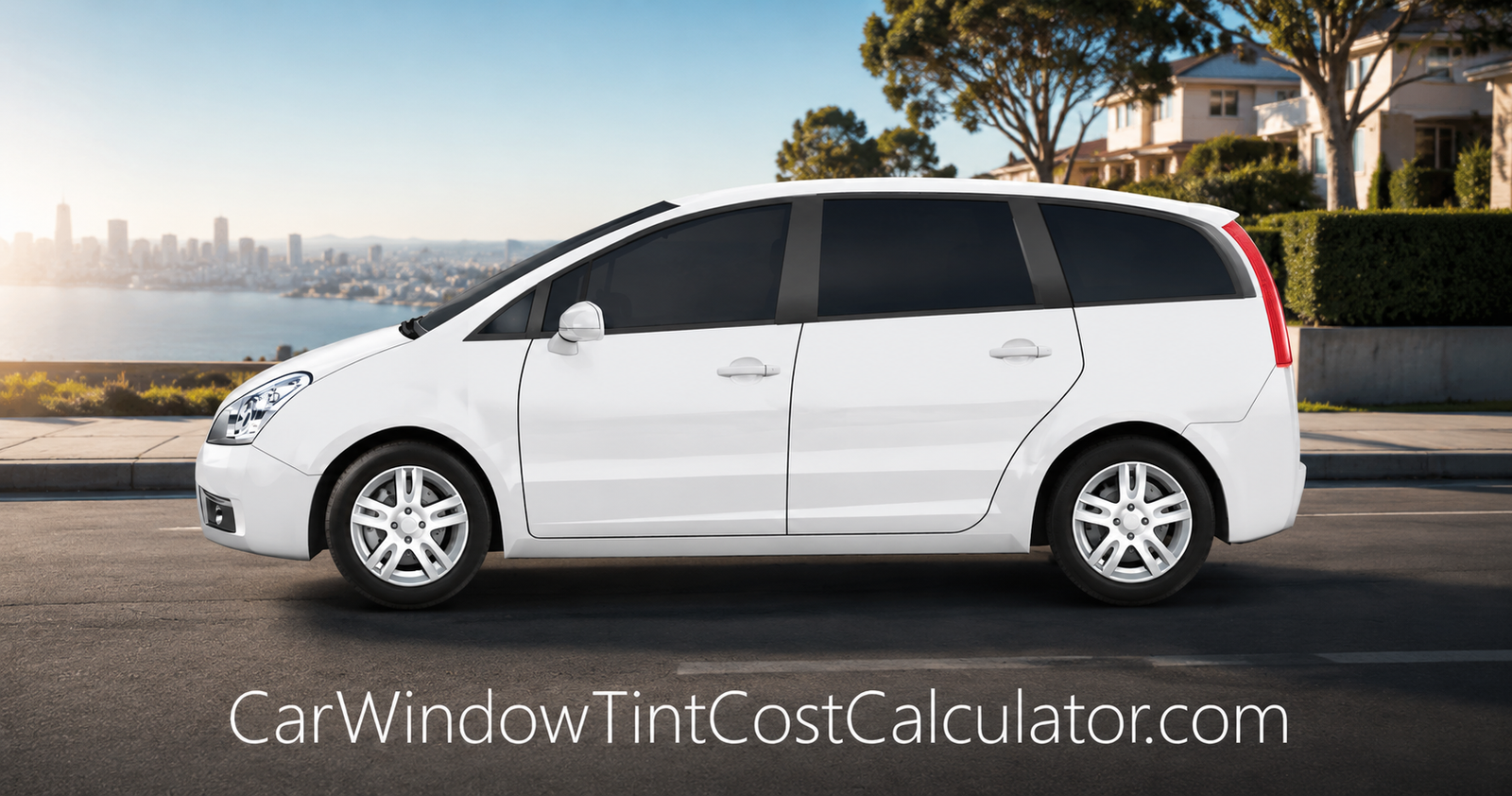
Ceramic Film Cost for SUV in Suburban (USA)
If you are searching for a premium upgrade that delivers real heat rejection and long-term durability, ceramic film for your SUV is a strong contender. For a specific job in Suburban, USA, the window tint cost for tinting one front side window with 35% VLT ceramic film comes to $182.25 USD. This figure reflects the balance between high-performance material and professional installation in a suburban market. Understanding what drives this price helps you make an informed decision before booking your appointment.
Many SUV owners assume tinting is a flat-rate service, but the reality is that suv tint cost varies significantly based on film type, window count, and your location. In this guide, we break down the exact cost components for your ceramic film project, compare it to other film types, and explain why this investment pays off in comfort and vehicle protection.
Why Ceramic Film for a SUV?
Ceramic film is considered the gold standard in window tinting because it uses non-conductive ceramic particles to block infrared heat without interfering with electronic signals. For an SUV, which typically has large glass surfaces, this technology is particularly valuable. The 35% VLT (Visible Light Transmission) darkness you selected allows 35% of visible light to pass through, providing a sleek, uniform appearance while maintaining good visibility.
Unlike dyed or carbon films, ceramic film does not fade or turn purple over time. It offers superior UV protection, blocking up to 99% of harmful rays. This is critical for an SUV used for family trips or daily commuting in Suburban, USA, where sun exposure can be intense during summer months. The material also reduces glare, making driving safer, and helps preserve your interior upholstery from cracking and fading. When you consider the window tint cost over the lifespan of the film, ceramic offers the best return on investment for SUV owners.
Real Cost Breakdown — What Goes Into $182.25
Your total estimated cost of $182.25 USD is composed of two primary parts: the film cost and the labor cost. The film cost accounts for $131.25 USD, which is the price of the ceramic film material itself. This higher material cost reflects the advanced nano-ceramic technology used in manufacturing. The labor cost is $37.50 USD, which covers the time and skill required to precisely cut and apply the film to your SUV's front side window without bubbles or creases.
To give you a clearer picture of how ceramic film compares to other options, here is a comparison table using realistic USA prices for a single front side window on an SUV:
| Film Type | Est. Cost (Single Window) | Heat Rejection | Lifespan |
|---|---|---|---|
| Dyed Film | $45 - $75 | Low (20-30%) | 2-4 years |
| Carbon Film | $80 - $120 | Medium (40-50%) | 5-7 years |
| Ceramic Film | $131.25 | High (60-70%) | 10+ years |
| Crystalline Film | $150 - $200 | Very High (70-80%) | 10+ years |
As the table shows, while dyed film is cheaper upfront, it offers minimal heat rejection and a shorter lifespan. Ceramic film sits in a sweet spot, providing high heat rejection and durability at a cost that is still reasonable compared to premium crystalline options. The suv tint cost for ceramic film reflects its balance of performance and value.
USA Tint Laws You Must Know
Before you proceed with your tinting project, it is essential to understand the legal framework. In the United States, tint laws vary by state, but there is a common baseline. Most US states require a minimum of 70% VLT on front side windows. Your 35% VLT ceramic film is darker than this standard, which means it may not be legal for the front side windows in many jurisdictions. Always check your state's specific regulations before installation to avoid fines or having to remove the tint.
For authoritative guidance on this topic, visit the tint regulations page provided by the International Window Film Association. They maintain up-to-date information on state-by-state laws. Some states allow darker tints on rear windows and the rear windshield, but front side windows are almost always subject to stricter limits. Knowing these rules helps you choose a VLT that balances aesthetics with legality.
What Front Side Tinting Gets You
Tinting only the front side window of your SUV might seem like a small job, but it delivers noticeable benefits. That single window is the one closest to the driver, meaning you will experience immediate improvements in comfort. The ceramic film reduces solar heat gain through that window, making your cabin cooler on hot days. This can reduce the strain on your air conditioning system and improve fuel efficiency slightly.
Additionally, the 35% VLT darkness provides enhanced privacy for the driver while still allowing you to see clearly. It cuts down on glare from oncoming headlights and bright sunlight, which reduces eye strain during long drives. The UV protection also shields your skin and the interior materials near that window. While a full vehicle tint offers comprehensive coverage, even a single window upgrade with ceramic film makes a measurable difference in your daily driving experience.
Pro Tips Before You Book
To get the most out of your window tint cost, follow these professional recommendations. First, confirm that your installer uses a high-quality ceramic film brand with a warranty. Reputable manufacturers offer lifetime warranties against peeling, bubbling, and fading. Second, ask about the curing time. After installation, the film needs several days to dry and bond fully. During this period, avoid rolling down the window and keep the car in sunlight when possible.
Third, consider whether you want to tint additional windows. While your current job covers one window, many shops offer package deals for multiple windows. Adding the rear side windows and rear windshield often reduces the per-window cost. Fourth, verify the shop's experience with SUVs. Larger windows require more skill to install without imperfections. Finally, always get a written quote that itemizes film cost and labor cost, so you know exactly what you are paying for. This transparency ensures your suv tint cost reflects the quality of service you receive.
Frequently Asked Questions
1. Is ceramic film worth the higher window tint cost?
Yes, for most SUV owners. Ceramic film offers superior heat rejection, UV protection, and durability compared to dyed or carbon films. While the upfront cost is higher, the lifespan of 10+ years and the comfort benefits make it a cost-effective choice over time. The $182.25 you pay for one window is an investment in long-term vehicle protection.
2. Can I install ceramic film myself to save on labor cost?
It is not recommended. Professional installation ensures the film is cut precisely, applied without bubbles, and cured correctly. DIY attempts often result in poor adhesion, visible imperfections, and a shorter lifespan. The $37.50 labor cost in your estimate is a small price for a flawless finish and warranty coverage.
3. Will 35% VLT ceramic film affect my night vision?
Ceramic film is designed to maintain optical clarity. At 35% VLT, you will still see well at night, though it will be slightly darker than an untinted window. Most drivers find it comfortable. However, if you have vision concerns, you may want to consider a lighter shade like 50% VLT for the front windows.
4. How long does the installation take for one window?
For a single front side window on an SUV, professional installation typically takes 20 to 30 minutes. The total appointment time may be longer if the shop schedules multiple jobs. The curing process, however, takes 2 to 5 days depending on weather conditions.
5. Does ceramic film interfere with GPS or radio signals?
No. Unlike metallic tints, ceramic film uses non-conductive particles that do not block cellular, GPS, or radio signals. This is one of its key advantages, especially for SUV drivers who rely on navigation and hands-free calling.
Related Tint Cost Guides
- Ceramic Film Tint Cost for Large SUV in Suburban — $389 USD
- Dyed Film Tint Cost for SUV in Suburban — $268 USD
- Ceramic Film Tint Cost for Hatchback in Suburban — $493 USD
Calculate Your Exact Tint Cost
Get a personalized estimate for your vehicle, film type, and location — free, instant, no signup.
→ Use Free Calculator ✈️ Telegram Guide