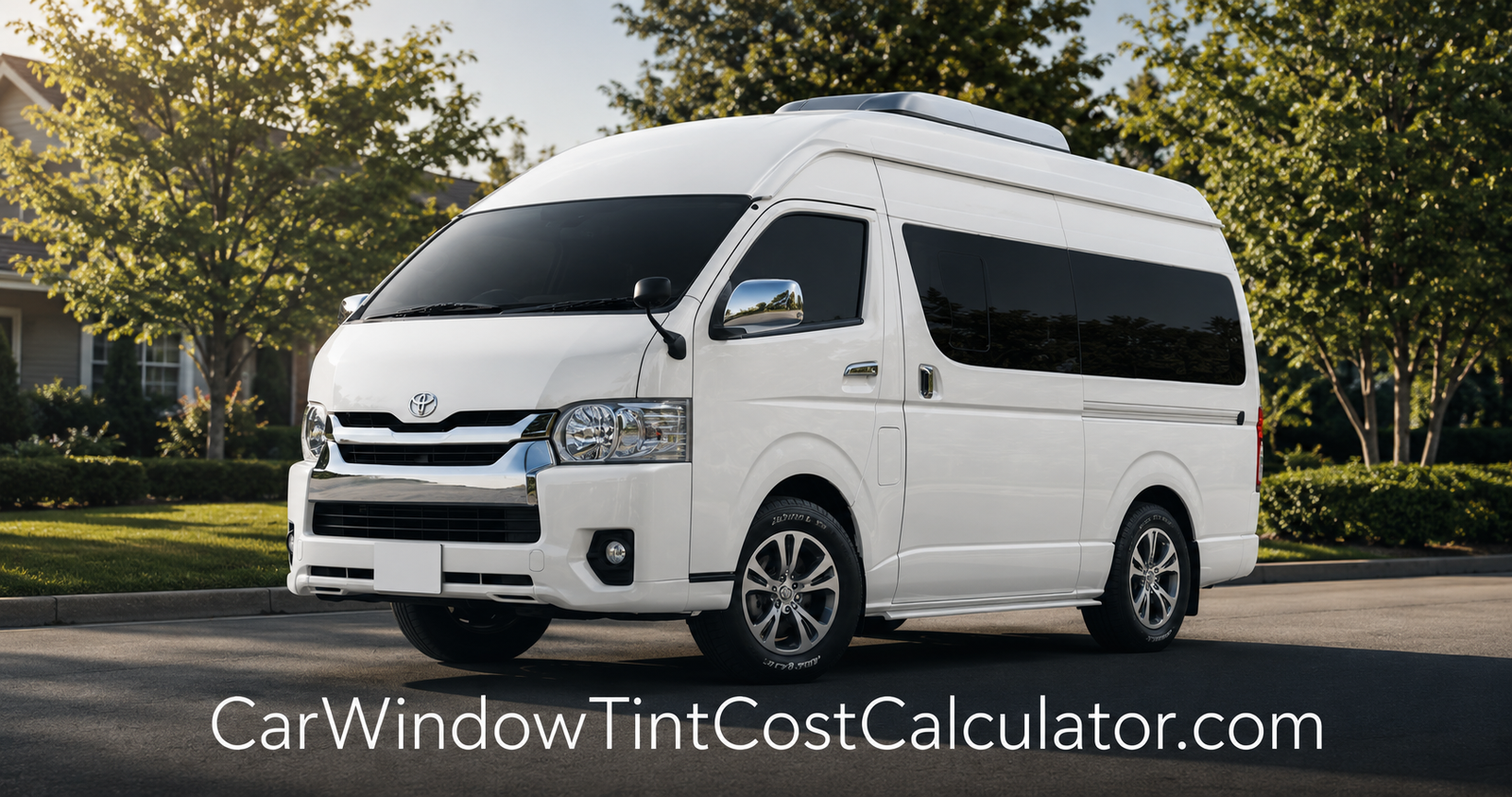
Ceramic Film Cost for Van / Minivan in Suburban (USA)
If you are researching window tint cost for a van or minivan driven in the suburbs, you have likely discovered that not all tint films are created equal. For a single rear window application using premium ceramic film at 20% VLT, the estimated total cost lands at $313.47 USD. This figure reflects a specific combination of high-performance materials, professional labor, and suburban market pricing. Understanding why this number makes sense requires a closer look at the film itself, the work involved, and the unique benefits of tinting a family hauler or work van in a suburban setting.
The $313.47 total breaks down into two primary components: $236.25 for the ceramic film itself and $54.00 for labor. While the labor might seem modest, the film cost represents the advanced technology packed into every square inch. For suburban drivers who spend considerable time shuttling kids, hauling gear, or commuting, this investment in comfort and protection often pays for itself within a single summer season.
Why Ceramic Film for a Van / Minivan?
Vans and minivans present a unique challenge for window tinting due to their large, often curved rear windows. Standard dyed films can fade or bubble under the intense sunlight that bakes through a rear hatch. Ceramic film offers a superior solution because it uses non-conductive ceramic particles to block infrared heat without interfering with radio, GPS, or cell signals. This is critical for families relying on rear-seat entertainment systems or for delivery drivers who need clear navigation.
Another reason suburban owners choose ceramic film is the dramatic reduction in cabin temperature. A minivan with a large rear window acts like a greenhouse. By rejecting up to 50% of solar heat, ceramic film keeps the back seats cooler for passengers and protects upholstery from cracking. The 20% VLT darkness also provides excellent daytime privacy, which is a practical benefit when you have valuables stored in the cargo area during errands.
Finally, ceramic film is built to last. Unlike cheaper alternatives, it resists discoloration and maintains its optical clarity for years. For a vehicle that may serve a family for a decade, the upfront van / minivan tint cost of $313.47 becomes a long-term value rather than an expense.
Real Cost Breakdown — What Goes Into $313.47
To truly understand your window tint cost, it helps to compare ceramic film against other popular options. The table below shows realistic suburban USA pricing for a single rear window on a van or minivan, along with key performance metrics.
| Film Type | Est. Cost (Rear Window) | Heat Rejection | Lifespan |
|---|---|---|---|
| Dyed Film | $80 – $120 | Low (5–15%) | 2–4 years |
| Carbon Film | $150 – $200 | Medium (20–30%) | 5–7 years |
| Ceramic Film | $236.25 (your cost) | High (40–50%) | 8–10 years |
| Crystalline Film | $300 – $400 | Very High (50–60%) | 10+ years |
As the table shows, your $236.25 film cost sits squarely in the premium range but offers a compelling balance of heat rejection and durability. The $54.00 labor cost is efficient because a single rear window on a van is often a straightforward installation for an experienced technician, though the large surface area requires careful handling to avoid creases.
When you consider that a dyed film might need replacement in under three years, the ceramic option actually saves money over the life of the vehicle. The van / minivan tint cost of $313.47 includes professional trimming, application, and a warranty that typically covers bubbling or peeling. Always ask your installer if the labor fee includes a warranty against defects.
USA Tint Laws You Must Know
Before you schedule your installation, you need to understand the legal landscape. Most US states require a minimum of 70% VLT (Visible Light Transmission) on front side windows. However, rear windows — including the rear hatch on a van or minivan — often have no restriction or allow much darker films. Your chosen 20% VLT is perfectly legal for a rear window in many states, but you must verify local rules.
State laws vary widely. Some states regulate the level of reflection, while others ban certain colors like red or amber. To avoid a costly fine or having to remove the tint, always check your state's specific regulations. The tint regulations provided by the International Window Film Association are an excellent starting point for accurate, up-to-date information.
For suburban drivers who may cross county or state lines during commutes, it is wise to choose a tint that complies with the strictest jurisdiction you frequent. A reputable installer will ask for your vehicle registration and advise on legal limits before proceeding. Ignorance of the law is not a defense, and removal costs can exceed the original window tint cost.
What Rear Window Tinting Gets You
Focusing your tint budget on the rear window of a van or minivan is a strategic choice. That single pane of glass is often the largest window on the vehicle, and it is the primary source of solar gain for the entire cabin. By applying ceramic film at 20% VLT, you create a shaded zone that keeps the cargo area and third-row seats significantly cooler.
Beyond temperature control, rear window tinting provides critical UV protection. Ceramic film blocks up to 99% of harmful UVA and UVB rays, which is essential for children or pets who ride in the back. It also prevents the interior plastics and upholstery from fading, preserving the resale value of your van or minivan.
Privacy is another major benefit. A 20% VLT rear window allows you to see out clearly during the day but makes it difficult for outsiders to see in. This is ideal for storing sports equipment, groceries, or work tools without advertising their presence. For suburban families, it also means less glare from headlights behind you during evening drives.
Pro Tips Before You Book
Getting the best results from your van / minivan tint cost starts with preparation. First, clean the rear window thoroughly before your appointment. Remove any stickers, decals, or residue that could interfere with adhesion. A clean surface ensures the film bonds evenly and reduces the risk of bubbles.
Second, ask your installer about the specific brand of ceramic film they use. Reputable brands like LLumar, 3M, or SunTek offer verified heat rejection data and transferable warranties. Do not be afraid to request a demonstration — many shops have a heat lamp display that shows the difference between untreated glass and ceramic film.
Third, plan your timing. Tinting in cooler months is fine, but avoid parking in direct sunlight for at least 48 hours after installation. This allows the adhesive to cure properly. Your installer will provide specific care instructions, but a general rule is to wait a week before rolling down any windows — though for a rear window, this is less of a concern.
Finally, get a written quote that itemizes the film cost and labor cost separately. This protects you from hidden fees and ensures you are paying the agreed $313.47. Some shops offer a discount if you tint multiple windows at once, but for a single rear window, the price is already competitive.
Frequently Asked Questions
Is $313.47 a fair price for ceramic tint on a van rear window?
Yes, this is a competitive price for a premium ceramic film installation in a suburban market. The film cost of $236.25 reflects high-end materials, and the $54.00 labor is reasonable for a single large window. You are paying for long-term durability and heat rejection that cheaper films cannot match.
Will 20% VLT on the rear window affect my night driving?
At 20% VLT, you will still see clearly through the rear window during the day. At night, visibility is reduced, but most drivers adapt quickly. If you frequently back up in dark areas, consider adding aftermarket backup cameras or parking sensors to compensate.
How long does ceramic film last on a minivan?
With proper care, ceramic film typically lasts 8 to 10 years. The film will not fade, bubble, or turn purple like dyed films. To maximize lifespan, avoid abrasive cleaners and use a soft microfiber cloth with a gentle ammonia-free glass cleaner.
Can I tint the rear window myself to save money?
While DIY kits are available, the large curved glass on a van or minivan is difficult to tint without professional tools. A single mistake can waste the $236.25 film cost. The $54.00 labor fee is a small investment for a flawless, warranty-backed installation.
Does ceramic film interfere with rear window defrosters?
No. Ceramic film is non-metallic and does not interfere with defroster grids, radio antennas, or GPS signals. You can safely use your rear window defroster after the film has cured for 48 to 72 hours.
Related Tint Cost Guides
- Hybrid Film Tint Cost for Pickup Truck in Suburban — $272 USD
- Carbon Film Tint Cost for Pickup Truck in Suburban — $362 USD
- Ceramic Film Tint Cost for Convertible in Suburban — $211 USD
Calculate Your Exact Tint Cost
Get a personalized estimate for your vehicle, film type, and location — free, instant, no signup.
→ Use Free Calculator ✈️ Telegram Guide