Ceramic Film Cost for Sports Car in Suburban (USA)
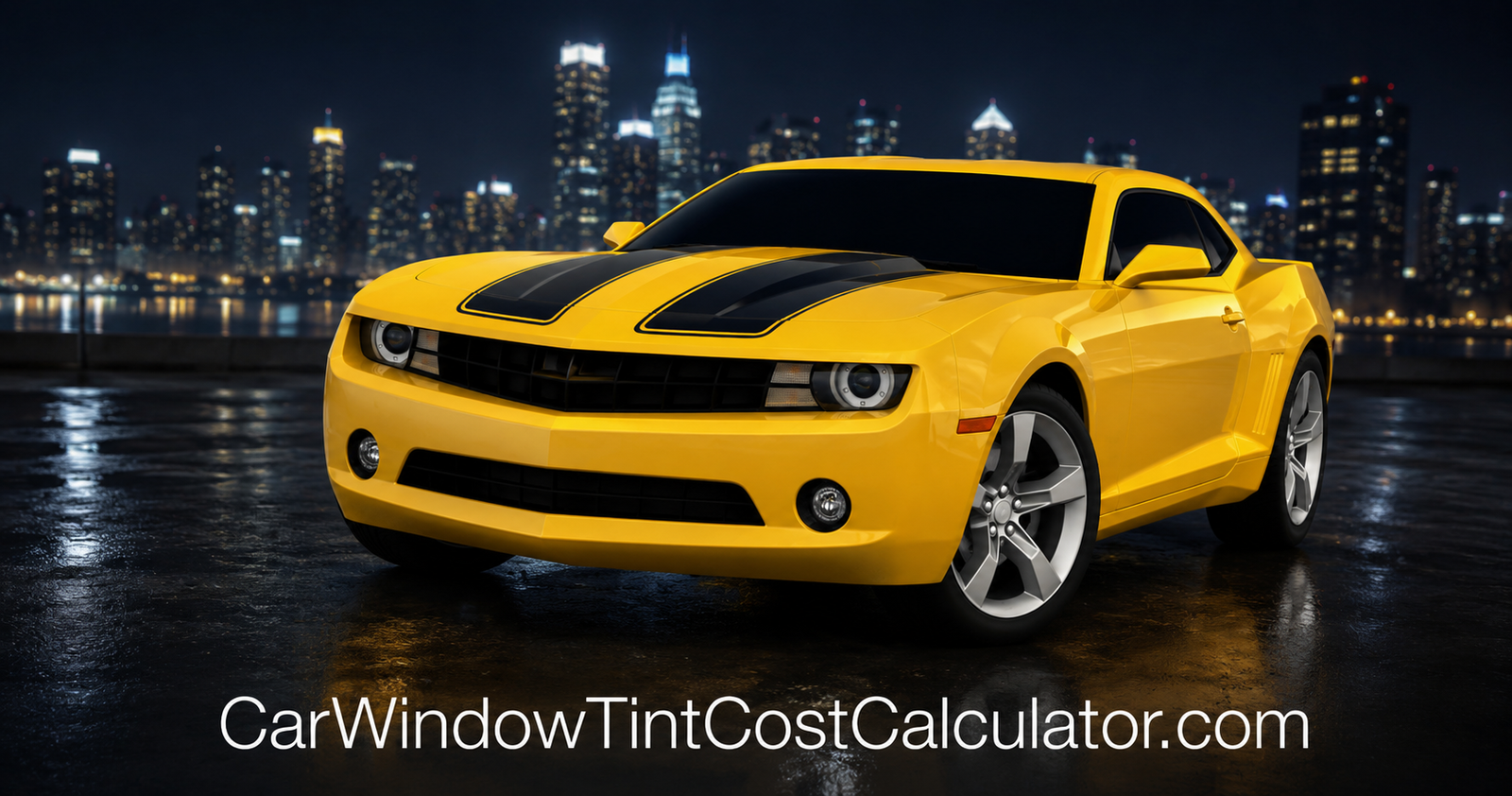
If you drive a sports car in suburban America, you already know the importance of protecting your interior and maintaining a sleek appearance. The window tint cost for a premium upgrade like ceramic film is a smart investment. For a Sports Car with Ceramic Film at 35% VLT covering the Front Side, Rear Window, and Sunroof, the total cost comes to exactly $356.40 USD. This figure includes $225.00 for the film itself and $105.00 for professional labor. Understanding this sports car tint cost helps you budget accurately for a high-performance upgrade that delivers real value.Why Ceramic Film for a Sports Car?
Sports cars come with large, curved windows and often a glass sunroof that lets in significant heat. Standard dyed or carbon films reduce glare but cannot match the thermal performance of ceramic film. Ceramic nano-particles block up to 99% of UV rays and reject infrared heat without using metal. This means your sports car stays cooler in the suburban sun, your leather seats resist fading, and your dashboard remains crack-free for years. Another reason sports car owners choose ceramic is signal clarity. Unlike metallic films, ceramic film does not interfere with GPS, satellite radio, or smartphone signals. For a sports car loaded with electronics, this is a critical advantage. The 35% VLT darkness gives you a sleek, aggressive look while still providing enough visibility for night driving in suburban neighborhoods.Real Cost Breakdown — What Goes Into $356.40
Your total window tint cost of $356.40 is split between materials and skilled labor. The Film Cost of $225.00 reflects the premium price of ceramic technology. High-quality ceramic film costs more per square foot than basic films because of its advanced multi-layer construction and heat-rejecting properties. The Labor Cost of $105.00 covers precise cutting, heat-gun shrinking, and bubble-free installation on three windows. Sports cars often have tight curves and steep rear glass angles, requiring additional time and expertise. Here is a comparison of how different film types stack up for a sports car in suburban USA:| Film Type | Estimated Cost (3 windows) | Heat Rejection | Lifespan |
|---|---|---|---|
| Dyed Film | $100 - $150 | Low (20-30%) | 2-4 years |
| Carbon Film | $180 - $250 | Medium (35-45%) | 5-7 years |
| Ceramic Film | $356.40 | High (50-60%) | 8-12 years |
| Crystalline Film | $500 - $800 | Very High (60-70%) | 10-15 years |
USA Tint Laws You Must Know
Before you book your installation, understand the legal landscape. Most US states require a minimum of 70% VLT on front side windows. Your chosen 35% VLT is much darker than that, which means it may only be legal on rear windows and the sunroof depending on your state. Some states allow darker tint on rear windows and sunroofs, while others restrict the entire vehicle. Always verify your local rules using official sources like the tint regulations provided by the International Window Film Association. Suburban areas often have local ordinances that differ from state law. Police in suburban communities may enforce tint laws more strictly during traffic stops. If you plan to tint your front side windows at 35% VLT, check whether your state permits that level on front glass. Many sports car owners choose a lighter film on front windows to stay legal while using darker ceramic on the rear and sunroof. Your window tint cost may increase slightly if you need different VLT percentages for different windows.What Front Side, Rear Window, Sunroof Tinting Gets You
Tinting three specific windows on a sports car delivers targeted benefits. The Front Side windows are the most visible part of your car. At 35% VLT, they cut glare from oncoming headlights and reduce eye strain during daytime driving. They also protect your face and arms from direct UV exposure, which is significant during long suburban commutes. The Rear Window on a sports car is often steeply angled. Ceramic film here blocks intense sunlight that pours through the back glass, keeping your rear seats and cargo area cooler. This is especially valuable if you store gym bags, groceries, or electronics in the back. The Sunroof is a major heat source in any car. Applying ceramic film to the sunroof reduces the greenhouse effect dramatically. You will feel the difference immediately on sunny days. Together, these three windows create a thermal barrier that lowers your cabin temperature by 10-15 degrees Fahrenheit, reducing the load on your air conditioning system.Pro Tips Before You Book
First, confirm that your installer uses a computer-cut pattern rather than hand-cutting on your car. Sports cars have sensitive glass edges and tight seals. Computer-cut film eliminates the risk of scratches or knife marks. Second, ask about the warranty. Quality ceramic film comes with a manufacturer warranty of 8-12 years, covering bubbling, peeling, and discoloration. The window tint cost of $356.40 should include a full warranty transferable if you sell the car. Third, schedule your installation on a warm, dry day. Ceramic film cures best in temperatures above 70 degrees Fahrenheit. Suburban USA summers are ideal for this. Avoid washing your windows for at least 7 days after installation to let the adhesive fully bond. Finally, consider adding a clear ceramic film to your windshield. While not included in this quote, it dramatically reduces heat without affecting visibility. Your total sports car tint cost will remain a smart investment if you follow these steps.Frequently Asked Questions
How long does ceramic film last on a sports car?
High-quality ceramic film typically lasts 8 to 12 years when properly maintained. The ceramic film you are purchasing with this $356.40 package is designed to resist fading, bubbling, and peeling even under intense suburban sunlight. Regular cleaning with a soft cloth and ammonia-free cleaner helps extend its lifespan.
Is 35% VLT too dark for night driving in a sports car?
35% VLT is a popular choice for sports car owners because it balances style with visibility. At night, you will still see clearly through the front side windows, especially with modern LED headlights. However, if you frequently drive on unlit suburban roads, you may prefer a lighter tint on the front windows. Always check your state's legal limit before installing.
Does ceramic film reduce heat in the sunroof?
Yes, significantly. The sunroof is often the single largest source of heat gain in a sports car. Applying ceramic film to the sunroof can reject up to 60% of infrared heat, keeping the cabin noticeably cooler. This is one of the most effective upgrades you can make for comfort during summer drives.
Will ceramic film interfere with my sports car's electronics?
No. Unlike metallic films, ceramic film contains no metal particles. It will not block GPS signals, satellite radio, cellular reception, or key fob range. This makes it the ideal choice for modern sports cars with advanced infotainment systems and electronic safety features.
Can I tint only the rear window and sunroof to save money?
Yes, you can customize your installation. However, the window tint cost for a partial job may not be significantly lower because the labor and material preparation remain similar. Tinting all three windows as shown in this $356.40 quote provides the best overall heat rejection and visual symmetry for your sports car.
Related Tint Cost Guides
- Ceramic Film Tint Cost for SUV in Suburban — $182 USD
- Crystalline Film Tint Cost for SUV in Suburban — $812 USD
- Ceramic Film Tint Cost for Coupe in Suburban — $324 USD
Calculate Your Exact Tint Cost
Get a personalized estimate for your vehicle, film type, and location — free, instant, no signup.
→ Use Free Calculator ✈️ Telegram Guide