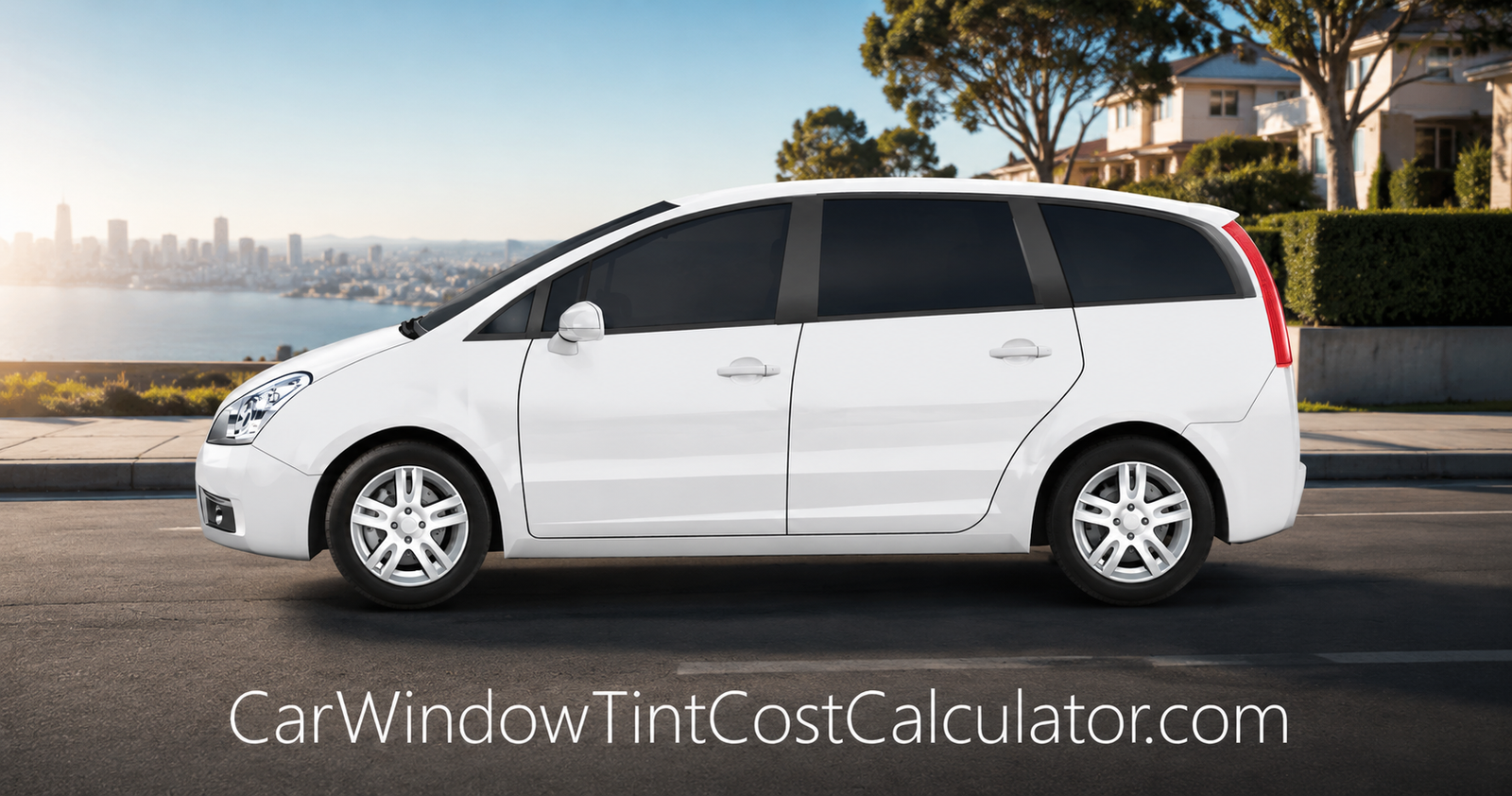
Crystalline Film Cost for SUV in Suburban (USA)
If you are searching for the best possible heat rejection and optical clarity for your SUV, crystalline film represents the top tier of automotive window tinting. For a SUV in a suburban area, the estimated total cost for this premium upgrade is $812.29 USD. This figure includes the high-performance film itself, professional labor, and the specific windows you have selected: the front side, rear side, and rear window. While the upfront investment is significant, the technology behind crystalline film delivers a driving experience that standard tints simply cannot match. Understanding the window tint cost for this specific application helps you budget accurately for a long-term upgrade to your vehicle.
Why Crystalline Film for a SUV?
SUV owners face unique challenges when it comes to interior comfort. The large glass surface area acts like a greenhouse, trapping solar energy and raising cabin temperatures rapidly. Crystalline film is engineered differently than traditional dyed or carbon films. It uses multiple layers of nano-ceramic and metal particles that selectively reject infrared heat while allowing visible light to pass through clearly. This means you get exceptional heat rejection without the dark, mirrored appearance of older films.
For a SUV, this technology is particularly valuable. It reduces the load on your air conditioning system, protects your leather or fabric seats from fading, and minimizes glare from the sun. The clarity of crystalline film is unmatched, offering a nearly invisible shield against UV rays and heat. When calculating your suv tint cost, remember that this film does not interfere with GPS, cell phone signals, or satellite radio, which is a common issue with metallic-based tints.
Real Cost Breakdown — What Goes Into $812.29
The total estimated cost of $812.29 USD is divided into two main components: the film cost and the labor cost. For your SUV, the crystalline film itself accounts for $639.63 USD. This premium pricing reflects the advanced multi-layer technology that provides industry-leading heat rejection and clarity. The labor cost for professional installation is $112.50 USD, which covers precise cutting, fitting, and curing of the film on your three selected windows.
To help you compare how crystalline film stacks up against other options, here is a breakdown of typical costs and performance for a SUV in a suburban setting:
| Film Type | Est. Cost | Heat Rejection | Lifespan |
|---|---|---|---|
| Dyed Film | $180 - $300 | Low (20-30%) | 3-5 years |
| Carbon Film | $300 - $500 | Moderate (30-40%) | 5-7 years |
| Ceramic Film | $400 - $700 | High (40-50%) | 7-10 years |
| Crystalline Film | $639.63+ | Superior (50-60%+) | 10+ years |
As the table shows, the crystalline film cost is higher, but the heat rejection and longevity justify the investment. The labor cost of $112.50 is competitive for a SUV, as these vehicles require more material and careful installation around larger, curved windows. Your total window tint cost of $812.29 reflects the best balance of performance and durability available on the market today.
USA Tint Laws You Must Know
Before you proceed with your 20% VLT installation, it is critical to understand the legal landscape. Most US states require a minimum of 70% VLT (Visible Light Transmission) on front side windows. Your selected 20% VLT is significantly darker than this standard. This means your front side windows may not be legal for street use in many states, while the rear side and rear window typically have more lenient regulations or no restrictions at all.
Always check your state's specific regulations before booking your appointment. You can find authoritative, up-to-date information through the tint regulations page from the International Window Film Association. Ignoring these laws can result in fines, failed vehicle inspections, or being required to remove the tint entirely. For a suburban SUV, consider a lighter VLT on the front sides to remain compliant while still enjoying the benefits of crystalline film on the rear windows. Your suv tint cost should always include a conversation with your installer about legal compliance.
What Front Side, Rear Side, Rear Window Tinting Gets You
Selecting the front side, rear side, and rear window for your SUV covers the vast majority of your vehicle's glass area. The front side windows are the most critical for driver visibility and safety. With 20% VLT crystalline film, you will experience a dramatic reduction in glare from oncoming headlights and direct sunlight. This makes highway driving and suburban errands more comfortable, especially during early morning or late afternoon hours.
The rear side windows and rear window are where the 20% VLT shines for privacy and passenger comfort. Your rear passengers will enjoy a cooler, darker cabin environment. The film blocks up to 99% of UV rays, protecting children and pets from harmful exposure. Additionally, the dark tint provides a uniform appearance across the entire rear of the SUV, enhancing the vehicle's aesthetic while keeping valuables out of sight. The combination of these three windows creates a cohesive look and maximizes the heat rejection benefits of the crystalline film for your entire SUV.
Pro Tips Before You Book
First, verify that your chosen installer is certified and experienced with crystalline film. This is a premium product that requires specific handling techniques to avoid bubbles, creases, or premature failure. Ask to see examples of their work on SUVs with similar window shapes. A professional installation is the only way to ensure your $812.29 investment lasts for a decade or more.
Second, consider the curing time. After installation, the film needs several days to fully bond to the glass. During this period, avoid rolling down the windows or cleaning them. Your installer will provide specific aftercare instructions. Finally, weigh the legal risks of 20% VLT on your front side windows. If you are concerned about enforcement, you might opt for a lighter shade on the front sides and keep the 20% on the rear. This approach still delivers excellent heat rejection and privacy while keeping your window tint cost manageable and your vehicle street-legal.
Frequently Asked Questions
How long does crystalline film last on a SUV?
With proper installation and care, crystalline film can last 10 years or more. The multi-layer construction is highly resistant to fading, bubbling, and peeling. The warranty from most manufacturers covers defects for the lifetime of the vehicle for the original owner.
Will 20% VLT make it hard to see at night?
Yes, 20% VLT is dark and can significantly reduce visibility through your side windows at night. Crystalline film has superior optical clarity compared to dyed films, but the darkness still limits light transmission. Use caution when backing up or merging in low-light conditions. Your rear window will also be dark, so ensure your backup camera is clean and functional.
Can I install crystalline film myself to save money?
It is not recommended. The $112.50 labor cost is a bargain compared to the risk of ruining expensive film. Crystalline film is difficult to handle due to its thickness and multi-layer structure. Professional installers have the tools, experience, and cleanroom environment to guarantee a flawless finish without bubbles or contamination.
Does crystalline film affect vehicle resale value?
Yes, positively. A high-quality crystalline film installation can increase your SUV's resale value. It protects the interior from UV damage and fading, which is a major selling point for used vehicles. The clarity and durability of the film mean it will still look new when you decide to sell, unlike cheaper tints that may purple or peel.
How does the $812.29 cost compare to other SUVs?
The suv tint cost for crystalline film varies by size. A compact SUV might cost slightly less, while a full-size SUV with more windows could cost more. Your specific estimate of $812.29 is based on a standard midsize SUV in a suburban area. The film cost of $639.63 is the primary driver, with labor being a smaller, fixed portion of the total.
Related Tint Cost Guides
- Dyed Film Tint Cost for SUV in Suburban — $268 USD
- Ceramic Film Tint Cost for Hatchback in Suburban — $493 USD
- Ceramic Film Tint Cost for SUV in Suburban — $182 USD
Calculate Your Exact Tint Cost
Get a personalized estimate for your vehicle, film type, and location — free, instant, no signup.
→ Use Free Calculator ✈️ Telegram Guide